The short answer
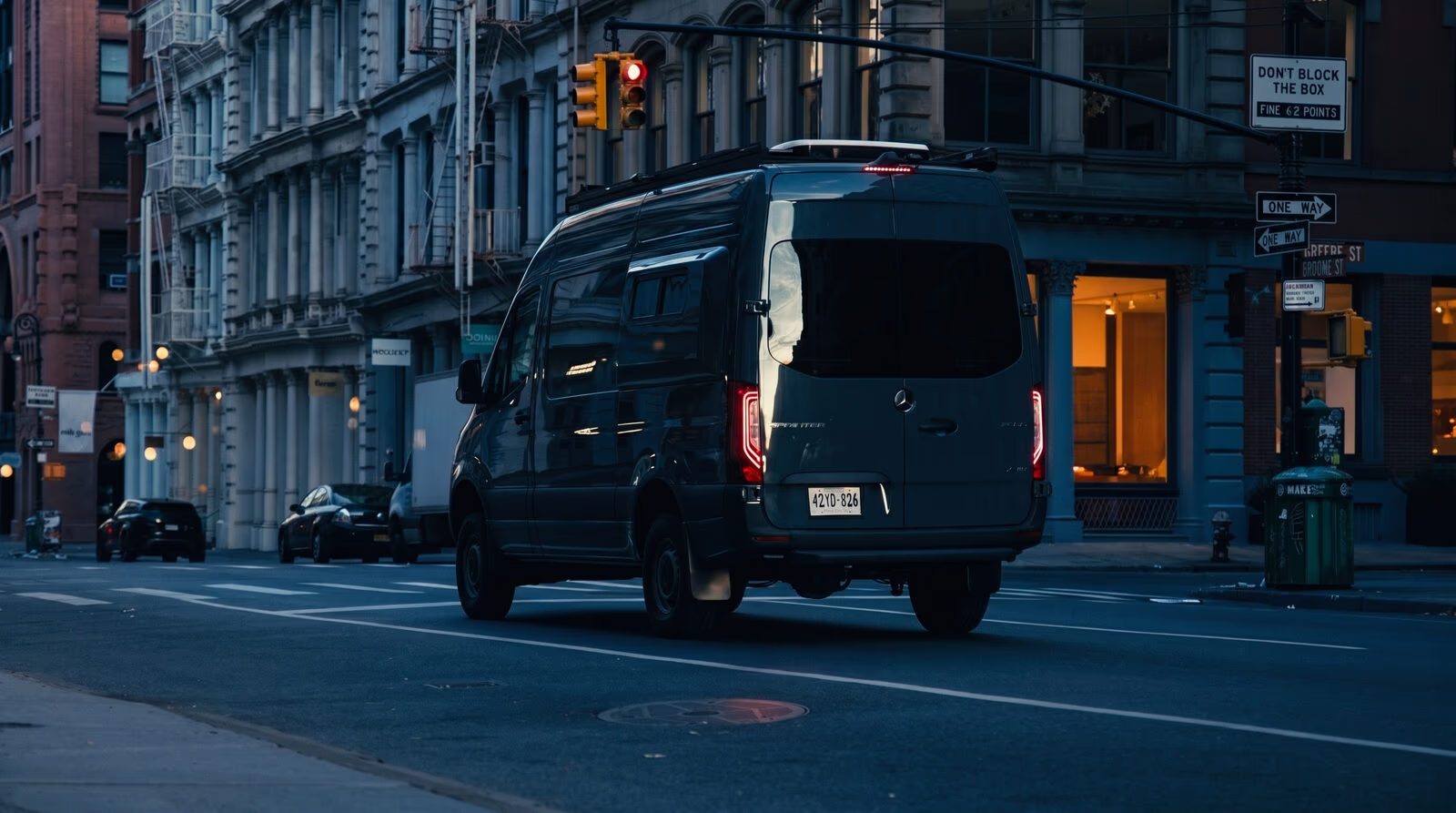
A commercial driver's license is generally required for vehicles over 26,001 pounds gross vehicle weight rating, vehicles designed to carry 16 or more people, or hazardous materials transport. Our Sprinter and box truck builds are engineered under those thresholds, so any staff member with a regular license drives them. That single design decision is why right sized vehicles deploy constantly while oversized ones wait for the one licensed driver.
The questions beyond the CDL
- Registration: a working vehicle may need commercial registration depending on your state and how the vehicle is used. Your DMV and fleet manager confirm the class
- DOT markings and numbers: certain weights and uses, particularly commercial operation across state lines, can trigger federal motor carrier requirements. Many nonprofit and government uses are treated differently. The rules turn on weight, use, and geography, and your fleet or risk manager should confirm before launch
- Insurance: a commercial vehicle policy, quoted during planning rather than delivery week, with your services described accurately to the carrier
- Driver policy: even with no CDL required, your organization sets its own rules: who drives, training, and vehicle check procedures. A one page policy prevents most problems
What the build contributes
We engineer the build to its weight budget: the platform, the systems, and the interior are planned together so the finished vehicle stays under the CDL threshold with its real working load, not just empty. Weight distribution is confirmed for equipment heavy builds like imaging units. You get the documentation your registration and insurance conversations need.