The short answer
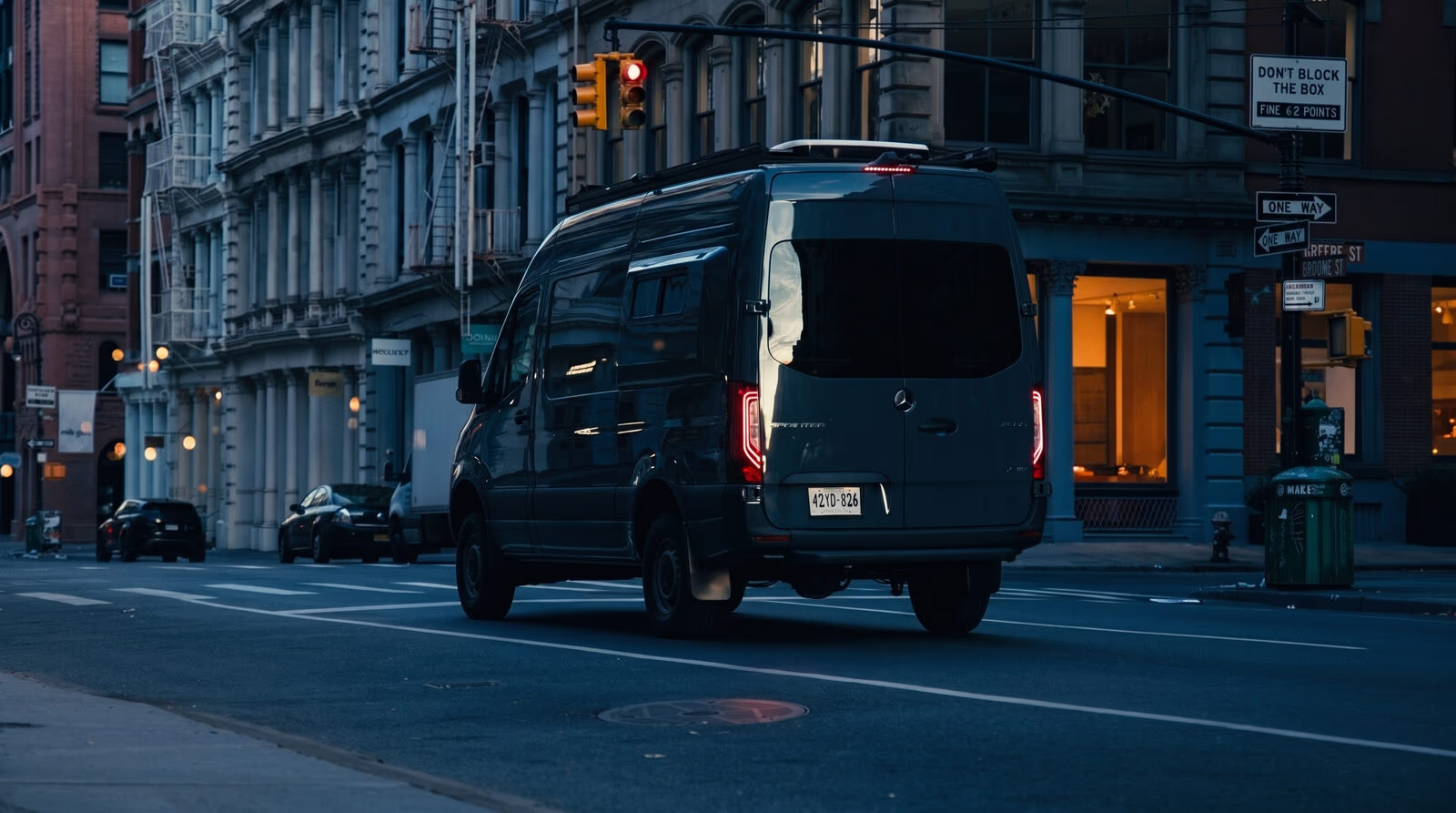
For incidents at the patrol district level, a command post built on a van or box truck delivers nearly all of the working capability of a full size truck: comms, workstations, monitors, mast and satellite options, scene lighting. What it doesn't deliver is a conference room on wheels. Full size command trucks typically run $800K and up, require CDL drivers, and live in depots; the van costs a fraction of that, deploys in minutes, and parks where the incident actually is. Many agencies ultimately run both: the truck for major incidents, the van for everything that happens weekly.
What's the same
- Radio and comms integration, built to your radio shop's spec or coordinated fully
- Command workstations with multiple monitors
- Roof mounted mast and satellite antenna options
- Scene and perimeter lighting
- Power for a full deployment without a generator running next to the command conversation
What's different
- Cost: full size command trucks typically run $800K and up. The van is a fraction of that, which often means the difference between this budget cycle and a five year plan
- Drivers: the truck needs a CDL. The van deploys with whoever is on shift
- Deployment: the truck stages; the van parks at the scene, a school lot, a festival perimeter
- Frequency: agencies report the pattern every fleet manager knows, the big vehicle deploys for the big incident, the right sized one deploys constantly
- Interior: the truck fits a command staff meeting; the van fits the working command post. If your incident command model needs a 12 person briefing space on wheels, that's a truck capability
How to decide
Pull your deployment data. Count the incidents in the last two years that genuinely required a large command interior, versus the ones that needed comms, workstations, and a presence at the scene. Most agencies find the second list is ten times the first. If the first list is long, budget the truck. If it's short, or if the truck already exists and sits, the van is the working vehicle, and it's the one that fits a cooperative purchase and a single budget cycle.